
You notice your mother has stopped calling her friends. The mail is piling up, and when you visit on Sundays, she seems quieter than she used to be. She still manages most daily tasks, but something has shifted.
The house feels lonelier, and you can’t help but wonder if she’s safe and connected between your visits. This is often when Greater Boston families start looking into companion care for seniors, not because of a crisis, but because those subtle signs of isolation are hard to shake off.
Executive Home Care has cared for families since 2004, and the Northeast Greater Boston team is led by an owner with 32 years in elder care. Their caregivers, carefully screened and genuinely compassionate, support older adults who want to stay at home. Families get some peace of mind, and the day-to-day feels a little lighter.
Here’s what companion care actually covers, how it differs from other types of home support, and how to build a plan that adapts as your loved one’s needs change. If you want clear, real-world answers, you’re in the right place.
What Companion Care Includes Day to Day
Companion care focuses on non-medical support that keeps your loved one active, connected, and comfortable at home. It’s about the daily routines that matter most: conversation, meals, errands, and check-ins that ease family worries. A companion caregiver brings warmth and structure to hours that might otherwise feel empty.
Social Connection and Emotional Support
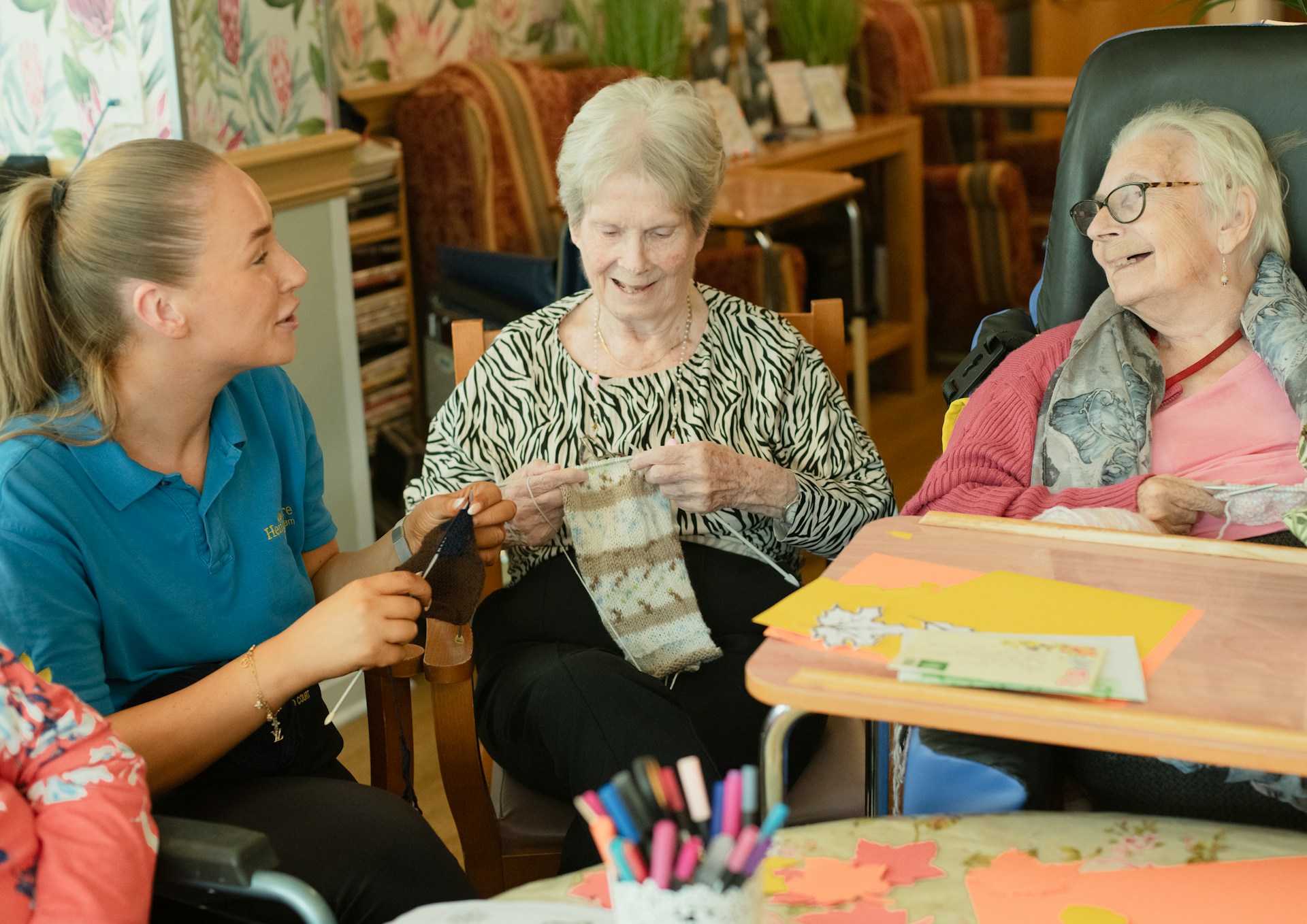
Loneliness is a real risk for older adults. Research on staying socially connected as you age points out that regular social interaction helps maintain cognitive and emotional health. A senior companion offers that presence, whether it’s chatting over coffee, taking a short walk, or sharing a favorite TV show.
This support isn’t just about passing time. It helps your loved one feel noticed and valued. For families who can’t always be there, knowing someone is present brings a genuine sense of relief.
Help With Meals, Errands, and Home Routines
Companion care also covers practical details. Caregivers help with meal prep, light housekeeping, and keeping the home organized and safe. These are the things that can slip when someone lives alone but doesn’t want to bother anyone for help.
They can sort mail, water plants, fold laundry, and help with shopping lists. The idea isn’t to take over, but to keep things running smoothly while respecting your loved one’s independence.
Transportation, Check-Ins, and Medication Reminders
Getting to appointments or the pharmacy can get tricky when driving isn’t an option. Companion caregivers handle transportation to doctor visits and errands, making it easier to stay at home. They also remind your loved one about medications, helping them stay on track without confusion.
During each visit, caregivers notice small changes, like a bruise, a change in appetite, or a shift in mood. These details matter when you’re coordinating care with family or healthcare providers. Understanding the nuts and bolts of companion care makes it easier to compare with other types of support.
How Companion Care Differs From Personal and More Hands-On Support
The difference between companion care and personal care trips up a lot of families. Companion care centers on social time, household routines, and light assistance. Personal care steps in when hands-on help is needed for bathing, dressing, or getting around. Figuring out where your loved one fits on this spectrum helps you choose the right kind of help from the start.
When Companion Support Is Enough
For many older adults, companion care fits best when they’re mostly independent but need someone nearby for company and a bit of structure. If your loved one skips meals, avoids outings, or seems more withdrawn, a companion caregiver can help without overstepping boundaries.
This support suits seniors who are still mobile and sharp, but at risk of being alone too much. It’s often the first step before more involved care is needed.
When Personal Care Should Be Added
If your loved one needs help with showering, dressing, or using the bathroom, personal care services become necessary. Personal care also includes help with getting in and out of bed or managing incontinence. These tasks call for caregivers who know how to handle them with both skill and respect for privacy.
Plenty of families start with companion care and add personal care as needs change. A good care partner will spot when it’s time to adjust and help you make the switch smoothly.
How Dementia Care Changes the Daily Approach
When memory loss is in the mix, everything changes. Dementia care at home brings in behavioral support, cognitive activities, and sometimes round-the-clock supervision. Caregivers trained in memory care know how to gently redirect confusion, calm agitation, and keep the environment peaceful.
The table below gives a quick look at the differences between these three types of support:
| Feature | Companion Care | Personal Care | Dementia Care |
|---|---|---|---|
| Social engagement and conversation | Yes | Yes | Yes |
| Meal preparation and light housekeeping | Yes | Yes | Yes |
| Transportation and medication reminders | Yes | Yes | Yes |
| Bathing, dressing, grooming assistance | No | Yes | Yes |
| Behavioral and cognitive support | No | No | Yes |
| Round-the-clock supervision | Varies | Varies | Often required |
Seeing where your loved one is now helps you plan for what might come next.
Who Benefits Most From Companion Care for Seniors
Companion care is really for people who need steady, trusted company at home. It fits a few common family situations, each with its own challenges. The families who benefit most are often the ones who sense something’s off but aren’t sure how much help is needed yet.
Older Adults Aging in Place
Seniors who want to stay in their own homes, where every room holds a memory, are a natural fit for companion care. Leaving home can feel like losing a part of themselves. A companion caregiver helps make aging in place possible by keeping daily life manageable and safe. Exploring the benefits of home care can help your family see what’s possible.
Families Managing Distance or Caregiver Burnout
If you live far away, the worry never really goes away. You call, you check in, but you can’t always be there. Research on how many family caregivers there are counts more than 63 million in the United States, and many feel exhausted or overwhelmed. Companion care puts a reliable person in the home when you can’t be there yourself.
This is where caregiving can get heavy. Maybe you feel guilty for not doing more, or frustrated if others aren’t helping, or just sad watching your parent change. Respite care gives family caregivers a break, time to recharge so you can keep showing up. Asking for help isn’t failing; it’s taking care of both of you.
Seniors With Early Changes in Mobility or Memory
If someone moves slower, forgets appointments, or struggles with balance, they might not need full personal care yet. But the risks, like falls, missed meds, and kitchen accidents, are real. Companion care addresses those risks with regular presence and gentle support, without making your loved one feel like a patient.
When memory changes start, companion caregivers help keep routines steady. They spot patterns family members might miss. Once you know who benefits most, the next step is figuring out what to look for in a care provider.
What to Look for in a Safe and Reliable Care Arrangement
Safety starts with the right caregiver and a clear plan everyone understands. Not every agency handles screening, training, or communication the same way. Asking the right questions protects your loved one and helps you feel confident in the care arrangement.
Caregiver Matching, Training, and Consistency
The person coming into your loved one’s home matters more than any brochure. Look for agencies that do thorough background checks and structured onboarding. At Executive Home Care Northeast Greater Boston, advanced training and evaluation come before anyone is matched with a client. Anna Feirick, who started her own career in a companionship role, knows how much the right personality match shapes whether a senior actually opens up.
Consistency counts too. Your loved one should see familiar faces, not a parade of strangers. A steady caregiver builds trust, learns preferences, and notices subtle changes that new faces might miss.
Custom Care Plans and Family Communication
Each family’s situation is unique. A reliable care partner develops custom care plans based on your loved one’s routines, likes, and medical needs. These plans should change as needs change.
How the agency communicates with your family matters just as much. Consider these questions:
- How do you document daily visits?
- Who’s our main point of contact?
- How fast will we hear about any changes?
- Can family members who live far away get updates?
Clear communication cuts down on stress when you’re trusting someone else with someone you love.
Scheduling Flexibility and Around-the-Clock Options
Needs don’t always fit into a neat weekday schedule. Look for a provider that offers flexible hours, weekend coverage, and live-in care when needed. The ability to ramp up support quickly after a hospital stay can be a real lifeline.
Building a Support Plan That Can Grow With Changing Needs
The best care plans start with what your loved one needs right now, but leave room for change. Families who plan for gradual shifts avoid last-minute scrambles. A thoughtful in-home care plan lays the groundwork for every decision that comes next.
Starting With a Simple Weekly Routine
Most families start with just a few hours of companion care each week. Two or three visits can set a routine your loved one looks forward to and give you regular check-ins. Focus on what matters most, maybe a shared meal, a grocery trip, or just having someone around in the afternoon.
Starting small also gives your loved one time to warm up to a new person. Jumping into full-time care all at once can feel like too much for someone who values their independence.
Adding Respite, Personal Care, or Memory Support
As life changes, so should your care plan. Maybe there’s been a fall, a new diagnosis, or more forgetfulness; these are often signs it’s time to look at specialized care services or extra personal care hours. After a hospital stay, families sometimes need transitional care to make the move home smoother.
Your care team, the family, caregivers, and medical folks should be flexible and ready to adjust things as needed. Checking in on the plan regularly helps keep everything on track.
Questions Families Should Answer Before Getting Started
Before meeting with anyone, sit down as a family and talk through these:
- Which daily tasks are tough for your loved one right now?
- Are there safety worries at home, like fall risks or missed meds?
- How many hours a week is your family pitching in?
- Who’s going to be the main contact for the care team?
- What’s the monthly budget, and have you looked into long-term care insurance or benefits?
Getting clear answers here gives care providers a full picture and helps your family feel more prepared for what’s next.
Frequently Asked Questions
How Do You Keep Your Loved One Comfortable When They’re Alone During the Day?
Having a regular companion caregiver around brings warmth, routine, and a familiar face to those long hours alone. These visits cut down on isolation and help each day feel more natural. Over time, that caregiver can become a real source of comfort and stability.
What Does a Companion Caregiver Do During a Visit?
During a visit, a companion caregiver might prepare a meal, tidy the kitchen, run an errand, or just sit and chat. They keep an eye on mood, appetite, and mobility, and let your family know about any changes. The goal is to keep daily life enjoyable and safe in the place your loved one knows best.
How Do You Know If It’s Companion Care, Personal Care, or Live-In Care?
If your loved one handles personal care but needs social time and help around the house, companion care usually makes sense. When they need help with bathing or moving around, it’s time to add personal care. If safety is a concern all day and night, live-in care might be the answer.
What Should You Expect to Pay for Companion Care?
Companion care rates depend on where you live, how many hours you need, and how complex the care is. In Greater Boston, it’s best to reach out to a local office for up-to-date pricing. Some families use long-term care insurance or veteran benefits to help with costs.
How Do You Choose a Trusted Companion Caregiver?
Ask agencies about their screening steps, caregiver training, and how they handle emergencies. Look for providers that do thorough background checks and offer round-the-clock support. Having the same caregiver as much as possible really helps build trust.
How Do Transitional Care and Companion Care Work Together After a Hospital Stay?
Transitional care covers those first days and weeks after leaving the hospital, making sure meds, follow-ups, and safety setups are all in place. After that, companion care keeps things running smoothly. Together, they help your loved one settle in at home without missing a beat.
Taking the Next Step for Your Family
Choosing companion care isn’t a sign your family has let anyone down. It’s about giving someone you love a bit more support, safety, and connection. The best plans start with a real conversation about what daily life looks like and what would help everyone feel better about tomorrow.
If you’re thinking about care options, Executive Home Care Northeast Greater Boston offers a free, no-pressure assessment to help you explore what’s possible. Call 1-855-350-2273 anytime to talk through your situation. You’ll get honest answers and a plan shaped around your loved one.